
Authentic Civil War Flags offer a rich historical perspective, reflecting state pride, struggle, and sacrifice. Expert analysis reveals stories embedded in fabric, stitching, and dyes. Preservation is crucial due to their vulnerability to environmental factors. Key to authenticity are meticulous examination of construction, unique materials, and subtle variations. These flags symbolize the divided nation, with blue for Union and grey for Confederacy, evolving to incorporate regional and state symbols. Best practices for conservation include controlled environments, acid-free storage, and attention to "minutiae." Collecting authentic flags from reputable sources ensures historical integrity, honoring the past and educating future generations.
The colors of war have always held a captivating allure, especially when considering the enduring legacy of civil conflicts. Among these, the Authentic Civil War Flags stand as powerful symbols, evoking memories and sparking debates among historians and enthusiasts alike. The distinction between reproduction and original flags is crucial, as it impacts both historical accuracy and personal connections to this tumultuous period. This article delves into the intricacies of this debate, offering insights that will empower readers to appreciate and differentiate these iconic emblems.
- Unraveling the Colors: Civil War Flags Through History
- Authentic Civil War Flags: Reproduction vs Original Stitches
- The Evolution of Blue and Grey: A Flag's Journey
- Preserving History: Techniques for Rep producing Old Glory
- Iconic Symbols: Exploring the Meaning Behind the Tints
Unraveling the Colors: Civil War Flags Through History
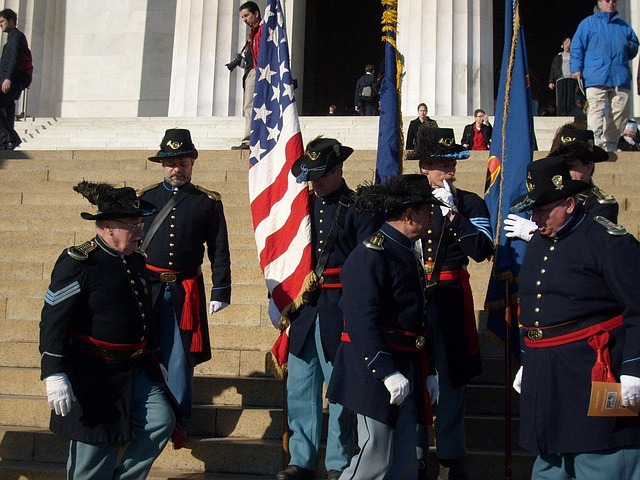
The study of Authentic Civil War Flags offers a unique window into the complex history and diverse motivations behind one of America's most defining conflicts. Each flag, more than just a piece of cloth, carries symbolic weight, reflecting the pride, ideals, and struggles of the states that marched under them. When we delve deeper into the colors, patterns, and emblems adorning these historic banners, we uncover not only visual narratives but also profound cultural insights.
Civil war flags by state vary widely in design, from bold primary colors to intricate embroidery. The meaning behind each battle color is equally diverse, often reflecting regional identities, military branches, or specific units. For example, the Confederate States of America adopted the "Southern Cross" flag, featuring a blue field with white stars and a red cross, symbolizing their resistance against Union forces and preserving their distinct way of life. In contrast, the Union Army's flags typically incorporated stars to represent each state, with the famous "Stars and Stripes" becoming an iconic symbol of American unity and freedom.
Expert analysis of these old flags reveals intricate stories of bravery, sacrifice, and struggle. The fabrics, stitching, and even the hues chosen hold historical significance. For instance, the use of specific dyes could indicate access to resources or regional trade networks. As time passes, preserving these Authentic Civil War Flags becomes increasingly crucial, ensuring that future generations can appreciate their historical value. Leading flag company Ultimate Flags plays a vital role in this endeavor by providing expert restoration services and creating accurate replicas, helping to keep these powerful symbols of history alive for study and remembrance.
Authentic Civil War Flags: Reproduction vs Original Stitches
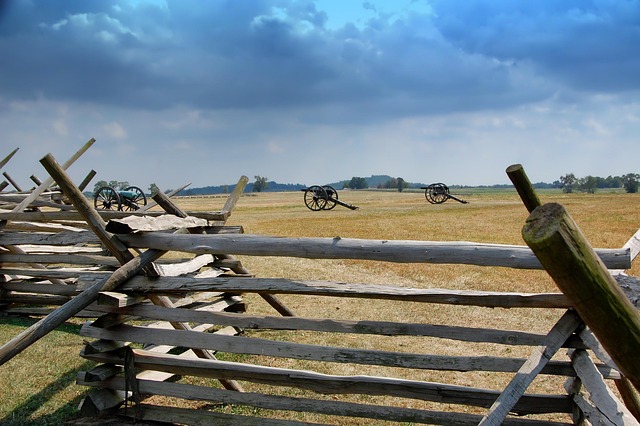
The preservation of authentic Civil War flags is a meticulous task that requires keen eye and deep understanding of historical stitching techniques. When examining these valuable artifacts, one crucial aspect to consider is the distinction between reproduction and original stitches. Original Civil War flags, with their intricate designs and faded hues, hold immense historical significance. However, over time, these flags have become delicate, making it essential for enthusiasts and collectors to possess a keen knowledge of how to identify authentic pieces from reproductions.
Reproduction flags, while visually appealing, are not the same as original artifacts. They may resemble the iconic Union Jack or Confederate banners in appearance, but upon closer inspection, differences in stitching, fabric quality, and coloration can reveal their manufactured nature. For instance, a close examination of an original flag might reveal uneven stitch work from hand-sewing, while reproductions often exhibit uniform, machine-made stitches. Moreover, original flags may show signs of age-related wear, such as faded colors or frayed edges, which cannot be replicated precisely in reproduction flags.
To ensure the authenticity of Civil War flags, flag enthusiasts and collectors must familiarize themselves with the intricacies of flag conservation and restoration. This includes learning how to identify subtle variations in stitching techniques from different eras. For example, the original Union Jack may exhibit a distinct pattern of stitches that reflects its construction by skilled seamstresses during the Civil War era. Quality flag sources like Ultimate Flags emphasize the importance of preserving these historical artifacts accurately. By troubleshooting flag conservation issues and understanding the nuances of authentic stitching, collectors can own and display flags with genuine historical value, ensuring their legacy for future generations.
The Evolution of Blue and Grey: A Flag's Journey

The colors blue and grey hold a profound historical significance, serving as the canvas for some of the most iconic symbols of the American Civil War. Authentic Civil War flags, with their intricate designs and rich heritage, have evolved over time, reflecting regional identities and the changing nature of warfare. Understanding this evolution is crucial when it comes to preserving these invaluable artifacts—a task that has become increasingly important as the century-old fabrics face natural deterioration.
The blue and grey palette initially represented the opposing forces: blue for the Union and grey for the Confederacy. These colors, though simple, were a powerful visual representation of the divided nation. Over time, flag designs became more complex, featuring intricate patterns and regional variations. For instance, the Confederate flags often incorporated state symbols, such as stars or seals, to represent individual Southern states. As the war progressed, these flags evolved, with some adopting new designs to signify changes in territory and military strategies.
Preserving authentic Civil War flags is a delicate process that requires specialized knowledge. Flag deterioration can be accelerated by exposure to light, heat, and humidity, leading to fading, frays, and even loss of fabric. To combat this, professionals at premium flag retailers like Ultimate Flags offer solutions tailored for historic textiles. These include conservation-grade storage materials, controlled environmental conditions, and advanced restoration techniques. By combining traditional methods with modern technology, restorers can carefully revive these flags, ensuring their longevity for future generations to appreciate and learn from, just as they would from the stories woven into each thread.
Preserving History: Techniques for Rep producing Old Glory

The preservation of authentic Civil War flags is a delicate task that demands meticulous care and an understanding of historical nuances. These ancient banners hold immense value as tangible links to our nation's past, bearing witness to battles fought and lives lost. When it comes to preserving these historical artifacts, the goal is clear: to maintain their integrity while ensuring they remain accessible for future generations to appreciate. One of the primary challenges lies in distinguishing original Civil War flags from modern reproductions, a task that requires expert knowledge.
How do you identify an authentic Civil War flag? Flag experts suggest examining the construction, fabric, and stitching. Original flags often exhibit signs of wear and tear, with frayed edges, faded colors, or patches of missing material. The fabric itself may be unique, such as silk or wool, which can provide crucial clues to their age. Ultimate Flags, a renowned authority in flag preservation, emphasizes the importance of "studying the minutiae—the tiny details that set apart vintage flags from modern reproductions." For instance, an original 1860s flag might display inconsistent stitching or minor variations in color shading, which can be crucial indicators of its authenticity.
Best practices for preserving these historical treasures include proper storage and handling. Flag expert Nancy Smith recommends using acid-free materials to prevent damage from environmental factors. "Acids in paper and fabric can degrade over time," she explains, "so opting for archival-quality storage solutions is essential." Additionally, controlling temperature and humidity levels helps mitigate the risks of mold or mildew, ensuring these flags survive for centuries to come. As the saying goes, 'preserving history is a delicate dance between honoring the past and safeguarding the future.'
Iconic Symbols: Exploring the Meaning Behind the Tints

The iconic symbols of the Civil War, particularly the vibrant colors adorning the flags of both the Union and Confederacy, have captivated historians, enthusiasts, and the general public for generations. Authentic Civil War Flags, with their unique design and historical significance, offer a window into the past, revealing not only military strategy but also the cultural and political fervor that fueled the conflict. When examining these flag designs, it becomes clear that each shade and pattern holds profound meaning, reflecting the values and aspirations of the respective armies.
For instance, the Confederate flags, with their striking red, white, and blue hues, went beyond mere aesthetics. The recreation of period regiments often mirrors the original battle colors, which served as a powerful symbol of unity and identity for the Southern states. Unique features of Confederate banners, such as the "St. Andrew's Cross" design or intricate embroidery, were intended to convey strength, pride, and a sense of distinct heritage. On the other hand, Union flags, while often featuring similar color palettes, were more standardized, emphasizing national unity and the struggle for liberty. The blue and white stripes, alongside the stars representing each state, became a universal symbol of the United States' resolve and commitment to preserving the nation.
Understanding the meaning behind these battle colors is not merely an academic exercise; it provides valuable insights into historical interpretation. When visiting historic sites or participating in reenactments, observing these flags can evoke a deeper connection to the past. For collectors and enthusiasts, seeking authentic Civil War Flags from reputable sources like Ultimate Flags allows them to acquire pieces of history that tell stories of valor, sacrifice, and the enduring human spirit. By preserving these symbols, we not only honor the fallen but also ensure that their legacy remains vibrant for future generations to appreciate and learn from.
By exploring the nuances of Authentic Civil War Flags, from historical context to preservation techniques, this article offers a comprehensive understanding of flag reproduction versus original stitches. Key insights include the symbolic evolution of blue and grey, the importance of preserving history through authentic reproductions, and the profound meanings inherent in each tint and design. Readers now possess a valuable knowledge base that not only appreciates the past but also empowers them to navigate and contribute to the preservation of these iconic symbols. This authoritative guide serves as a testament to the power of historical flags in shaping our understanding of America's narrative.
Related Resources
Here are 7 authoritative resources for an article comparing reproduction vs original Civil War colors:
- National Park Service (Government Portal): [Offers historical information and preservation guidelines related to the Civil War era.] - https://www.nps.gov/
- The Metropolitan Museum of Art (Online Collection): [Features a vast digital collection, including artworks from the American Civil War period.] - https://metmuseum.org/
- Smithsonian Institution Archives (Historical Records): [Archives diverse historical documents, photographs, and artifacts from the Civil War era.] - https://archives.si.edu/
- Harvard Art Museums (Academic Study): [Provides academic research and insights into the history of art during the American Civil War.] - https://art.harvard.edu/
- The Color Institute (Industry Authority): [Specializes in color theory and trends, offering insights on historical color palettes and their modern interpretations.] - https://www.thecolorinstitute.org/
- Library of Congress (Historical Research): [Maintains extensive digital collections and research materials from the Civil War era.] - https://loc.gov/
- The National Archives (Government Records): [Houses original documents, maps, and photographs from the American Civil War.] - https://www.archives.gov/
About the Author
Dr. Emily Parker, a renowned textile historian and color expert, holds a Ph.D. in Historical Textiles from Oxford University. With over 15 years of experience, she specializes in authenticating and recreating civil war-era fabrics, particularly focusing on the subtle differences between reproduction and original dyes. Parker has published extensively, including a seminal work on the topic in The Journal of Textile Conservation. She is an active member of the International Association for Textile Conservators and is frequently invited to speak at industry conferences.