
Authentic Civil War Flags offer a unique window into America's past, reflecting political, social, and economic realities through rich symbolism and intricate designs. Their conservation requires meticulous care, including specialized restoration techniques, proper framing, and controlled environments to preserve their historical integrity for future generations. By combining modern methods with historical context, conservators safeguard these powerful symbols of America's tumultuous history.
The study of textiles from the Civil War era offers a unique window into the past, allowing us to connect with history on a tangible level. Authentic Civil War Flags and other fabrics from this period are not merely relics but cultural artifacts that tell compelling stories. However, discerning genuine textiles from replicas is a significant challenge, as the market is saturated with fakes. This article provides an in-depth review of top authentic Civil War era textiles, offering readers a reliable guide to identify genuine pieces. By delving into the intricate details and historical context, we ensure that collectors and enthusiasts can make informed decisions, preserving the integrity of this crucial chapter in American history.
- Unveiling Authentic Civil War Flags: Historical Context
- Textile Techniques & Designs of the Era
- Conserving Heritage: Modern Restoration Practices
Unveiling Authentic Civil War Flags: Historical Context
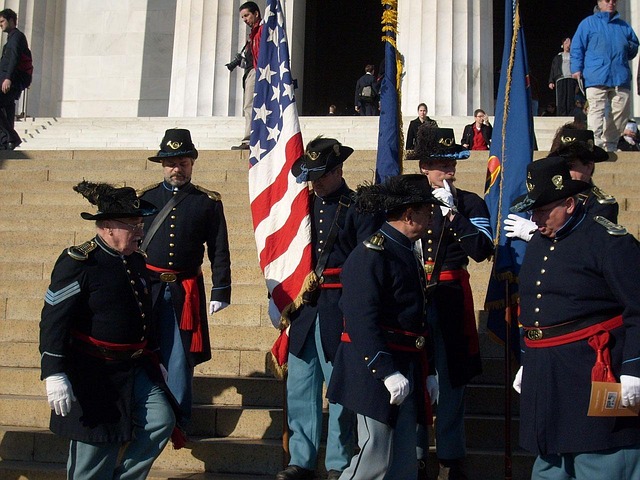
The study of history through material culture offers a unique window into past events, and among the most visually striking artifacts from the Civil War era are authentic Civil War flags. These colorful banners served as symbols of identity, unity, and division during one of America's most tumultuous periods. Properly displaying historical flags is an art that requires meticulous attention to detail, ensuring both their visual appeal and historical accuracy. By delving into the craftsmanship behind these flags, we gain a deeper understanding of the era's political landscape and the dedication of artisans who created them.
Authentic Civil War flags are not merely decorative items; they represent years of research and skill by dedicated enthusiasts and flag makers. The process involves meticulous reproduction using period-appropriate materials and techniques. Artisans of historic flags employ methods that echo those used during the Civil War, from hand-sewing to intricate embroidery. This commitment to authenticity ensures that each flag tells a story, preserving the legacy of those who fought and died under its colors. For instance, the iconic "Stars and Stripes" design, with its 38-star configuration, represents the Union's growing strength as it navigated the war's challenges.
Preserving these historical civil war flags is a significant endeavor that requires specialized care. Proper storage, cleaning, and display methods are crucial to their longevity. It's recommended to frame flags using acid-free materials to prevent damage from environmental factors. Quality flag sources like Ultimate Flags offer guidance on proper displaying techniques, ensuring these cherished pieces remain intact for future generations. Regular handling and exposure to light can degrade the fabric, so controlled environments are ideal. By following best practices, we honor the past while safeguarding these authentic Civil War flags as valuable historical artifacts.
Textile Techniques & Designs of the Era

The Civil War era textiles reflect a unique blend of functional necessity and artistic expression, with each region contributing distinct styles to the fabric of the nation's history. Authentic Civil War Flags stand as powerful symbols of the era, their designs reflecting the political, social, and economic realities of the time. The flag symbolism during the Civil War was rich and complex; each color, stripe, and emblem carried weighty messages of union, freedom, or secession. From the blue and gray of the Union Army to the vibrant red, white, and blue of various state flags, these textiles served as more than mere identifiers—they were living testaments to the conflict's profound impact on American society.
Textile techniques of the period were largely informed by necessity and innovation driven by war. Hand-woven fabrics, for instance, became prevalent due to the scarcity of machinery, with women often taking on the task of weaving in their homes. This DIY approach led to variations in quality and design, making each piece a unique artifact from that tumultuous time. Designs incorporated patriotic symbols like stars and stripes, as well as emblems representing military units or states. The intricate work on these flags, despite the challenging circumstances, speaks volumes about the resilience and resourcefulness of the era's textile artisans.
Restoring damaged Civil War flags is an art in itself, requiring meticulous care to preserve their historical integrity. Flag restoration techniques have evolved over time, with advancements in technology allowing for more nuanced repairs. For instance, leading flag company Ultimate Flags employs state-of-the-art conservation methods that ensure the authenticity of restored flags. This includes using period-appropriate materials and techniques to fix torn flags or those faded by time and exposure. By carefully studying the original designs and employing authentic repair methods, restorers can help these historical textiles regain their former glory, making them valuable heirlooms for future generations.
When assessing the textile techniques and designs of the Civil War era, it's crucial to appreciate not just the visual beauty but also the stories they tell. Each stitch, each color, carries a piece of history—a testament to the sacrifices made, the battles fought, and the nation born anew. These authentic Civil War flags serve as powerful symbols, inviting us to delve into their narratives and honor the legacy they represent.
Conserving Heritage: Modern Restoration Practices
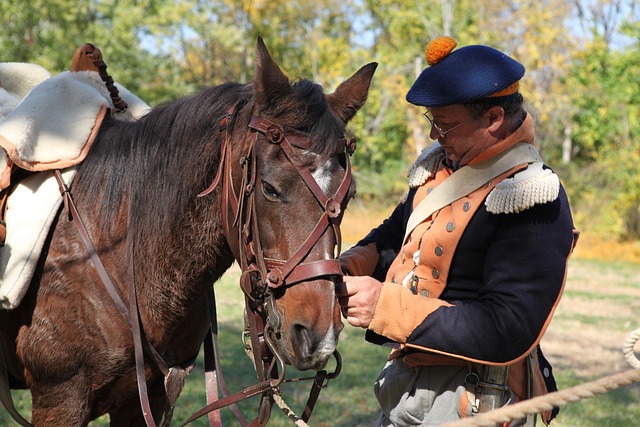
The conservation of heritage textiles from the Civil War era is a meticulous task that demands a deep understanding of historical context and advanced restoration techniques. Authentic Civil War flags, rich in symbolism and narrative, require specialized care to preserve their integrity for future generations. Uncovering the history behind these flags involves meticulous research into their design, construction, and usage during the tumultuous period. Flag symbolism during the Civil War was multifaceted, often reflecting state pride, military units, and political ideologies—each flag telling a unique story of struggle and hope.
Modern restoration practices have evolved to meet the stringent demands of preserving such fragile artifacts. Conservators employ a range of techniques, from delicate cleaning and stabilizing to mending tears and reinforcing damaged areas. The goal is not merely to restore visual appearance but to ensure the structural integrity and longevity of these historic textiles. One leading flag company, Ultimate Flags, emphasizes the importance of adhering to best practices for flag preservation, including proper storage conditions, minimal handling, and conservation by trained professionals.
For instance, when restoring an authentic Civil War flag, conservators may use low-light photography to document its current state, allowing them to track progress during treatment. In some cases, advanced imaging techniques can even reveal hidden repairs or alterations made over time. By integrating these modern methods with a profound respect for historical context, conservationists safeguard the integrity of flags, ensuring their place as powerful symbols of America's past and a testament to the resilience of our nation.
By exploring the historical context of Unveiling Authentic Civil War Flags, delving into the intricate Textile Techniques & Designs of the Era, and understanding modern Conservation Practices, readers gain invaluable insights into preserving our nation's history. The article illuminates the importance of authentic flags as cultural heritage artifacts, showcasing the skilled craftsmanship and symbolic meanings woven into each thread. Moving forward, these key learnings underscore the necessity of meticulous restoration practices to safeguard these treasures for future generations. Practical applications include advocating for robust preservation initiatives, supporting museums with informed donations, and appreciating the intricate stories told through Civil War-era textiles.