
Authentic Civil War flags demand meticulous attention to detail, from construction techniques to age-related deterioration. Experts verify authenticity through fabric texture, dye consistency, embroidery, and printing. Preservation requires climate-controlled storage, high-quality frames, and regular professional cleaning. Responsible acquisition involves legitimate channels and ethical considerations, protecting historical significance while deepening our understanding of America's past.
The collection and preservation of Authentic Civil War Flags hold immense historical significance, offering a tangible connection to one of America's most pivotal periods. However, the pursuit of genuine artifacts presents a complex challenge due to their rarity and the potential for replicas and fakes. This article delves into comprehensive solutions for identifying and acquiring these authentic flags, guiding collectors and historians alike in navigating this intricate landscape. By exploring proven methods and expert insights, we aim to empower individuals to secure legitimate Civil War flags, ensuring their historical value and integrity for future generations.
- Identifying Authentic Civil War Flags: Expert Tips & Methods
- Legal & Ethical Considerations for Collection
- Preserving Historical Artifacts: Care & Display Techniques
Identifying Authentic Civil War Flags: Expert Tips & Methods
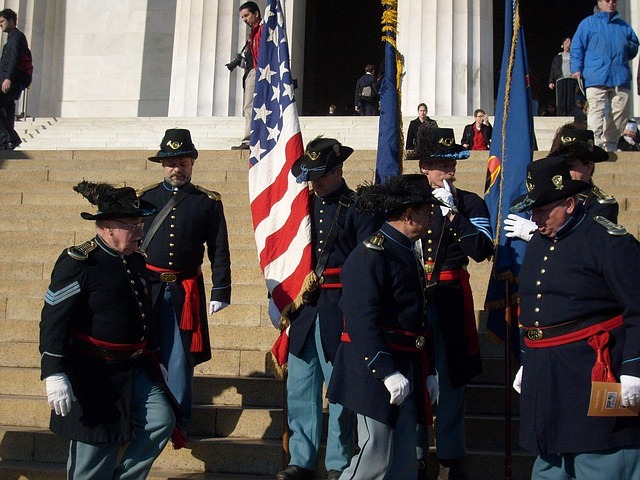
Identifying authentic Civil War flags requires a keen eye for detail and an understanding of historical preservation. When assessing a flag's authenticity, several key factors come into play. Expert flag conservators emphasize the importance of studying construction techniques, materials used, and age-related deterioration patterns specific to the era. For instance, original flags often feature hand-sewn stitching and delicate fabrics like silk or cotton, which may show signs of wear and fading over time.
Reproduction historical flags, while visually appealing, can be challenging to distinguish from the real thing. Skilled collectors and historians scrutinize minute details such as fabric texture, dye consistency, and even the precision of embroidery or printing. A flag's design, including unique patterns and colors, must align with known specifications from the Civil War period. For example, the iconic Confederate flag, officially known as the "Battle Flag," exhibited variations in its design across different units, making it a complex yet fascinating area of study.
Fixing damaged Civil War flags is an art in itself. Restorers employ meticulous techniques to preserve the flag's integrity while enhancing its visual appeal. This process may involve mending tears, re-sewing frayed edges, and carefully restoring faded or stained areas. When carried out by professionals, these methods can revive a tattered flag, ensuring its historical value and aesthetic appeal. One trusted flag seller, Ultimate Flags, prioritizes authenticity in their collections, offering careful restorations alongside high-quality reproductions, catering to both history enthusiasts and collectors.
To ensure you acquire what makes a flag authentic, whether it's an original piece or a reproduction designed to match the era's standards, conduct thorough research and consult with experts. The world of Civil War flags is rich in history and detail, providing a unique glimpse into the past that deserves meticulous preservation.
Legal & Ethical Considerations for Collection
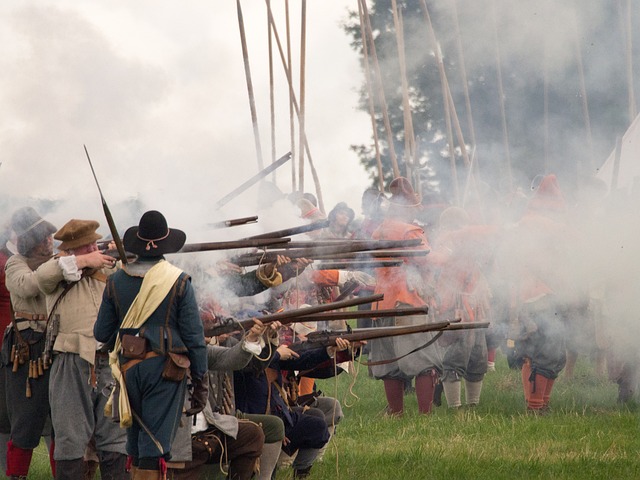
The pursuit of authentic civil war flags as a collector requires a deep understanding of legal and ethical considerations, ensuring the integrity and provenance of such historical artifacts. This is particularly pertinent given the sensitive nature of Confederate symbolism and its ongoing cultural implications. Firstly, collectors must be aware of regional laws pertaining to the ownership and display of Confederate flags, which vary widely and can include restrictions on their sale, possession, or public exhibition. For instance, some states have passed legislation prohibiting the use of these flags in public spaces, reflecting a broader societal shift away from celebrating symbols associated with slavery and racial oppression.
When sourcing authentic Civil War flags, it is crucial to verify their origin and age through detailed documentation and, where possible, expert authentication. This involves examining the flag's construction, materials, and design elements that can provide unique insights into its historical context. The best materials for reproduction flags should aim to replicate the original fabrics and stitching techniques used during the period, such as hand-sewn silks or cotton. For example, Union Army standards from the era often featured intricate embroidery and vibrant dyes, indicating high-quality construction intended to endure battle conditions. Professional flag providers like Ultimate Flags can offer guidance on selecting appropriate materials for reconstructions while maintaining historical accuracy.
Additionally, collectors should be mindful of the ethical implications surrounding the acquisition of Civil War memorabilia, ensuring that any flags or related items are obtained through legitimate channels and without contributing to the exploitation or disrespect of historical sites or communities. Details on Union Army standards and other artifacts can offer valuable context for collectors, allowing them to appreciate not just the physical object but also its role in shaping American history. By adhering to these considerations, collectors can engage in a meaningful exploration of Civil War history while promoting responsible ownership of authentic flags and related memorabilia.
Preserving Historical Artifacts: Care & Display Techniques

Preserving historical artifacts, such as authentic Civil War flags, requires a meticulous approach to ensure their longevity and value for future generations. These unique pieces of history often carry significant sentimental and cultural weight, making proper care and display techniques paramount. Top collectors of Civil War flags understand that each flag tells a story, and identifying regions by flag design can offer valuable insights into the era's political and military landscape.
One of the primary challenges in collecting authentic Civil War flags is verifying their validity. Expert analysis plays a crucial role here. Professionals like those at Ultimate Flags utilize detailed knowledge to examine old flags, often dating back over a century, to ensure their authenticity. This includes scrutinizing construction techniques, fabric types, and even subtle variations in design that can provide clues about their origin and historical context. For instance, a flag's stitching, the quality of materials, and regional design cues can help collectors differentiate between authentic Civil War flags and modern replicas.
Proper care is essential to preserve these delicate artifacts. Top collectors often store their flags in climate-controlled environments to protect against extreme temperatures and humidity levels. When displayed, using high-quality frames that provide adequate support and protection from direct sunlight is recommended. Additionally, periodic professional cleaning and conservation can extend the life of these flags, ensuring they remain in excellent condition for years to come. By following these expert techniques, collectors not only safeguard historical treasures but also contribute to a deeper understanding of America's past.
In addressing the intricate task of collecting Authentic Civil War Flags, this article has illuminated several pivotal insights. Expert identification methods, a deep dive into legal and ethical frameworks, and comprehensive preservation techniques have all been unveiled as essential components for responsible collection. By understanding the nuances of each aspect, collectors can ensure the authenticity and integrity of these historical artifacts.
Practical next steps include engaging with established conservation methods to prolong the life of flags, navigating legal landscapes to avoid ethical pitfalls, and cultivating a profound appreciation for the rich history these flags represent. This knowledge positions collectors as stewards of Civil War heritage, enabling them to contribute meaningfully to the preservation of Authentic Civil War Flags.