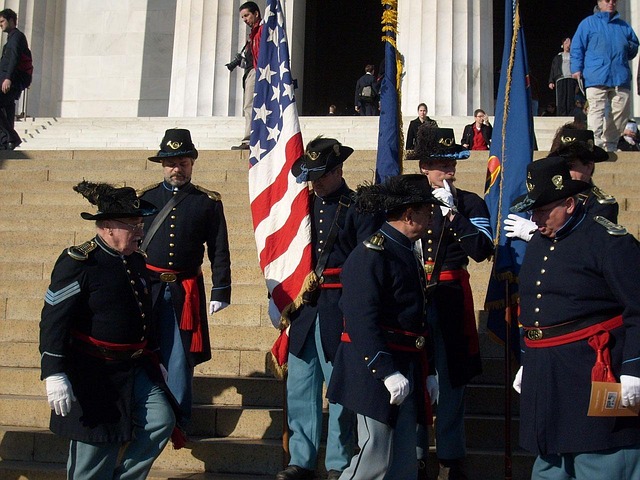
Authentic Civil War Flags hold immense historical value due to their direct connection to America's pivotal Civil War era. Expert examiners verify authenticity through construction, fabric, condition, and historical knowledge. Vintage flags from the 1860s are prized for rarity and insights they offer. Modern reproductions lack significance. Responsible acquisition involves provenance research through reputable sources. These flags serve as valuable teaching tools about the Civil War's legacy. Authentication and conservation techniques ensure their preservation. Provenance tracing is key to determining authenticity. Proper handling respects their symbolism. The market surge highlights a growing appreciation for historical artifacts, with Confederate battle flags particularly sought after. Distinguishing originals from reproductions requires expert knowledge. Responsible collecting involves ethical practices, expert appraisals, and engaging with reputable sources like Ultimate Flags.
The collection and preservation of Authentic Civil War Flags hold immense historical value, offering a tangible connection to one of America's most pivotal periods. However, the market for rare Confederate battle flags has been plagued by concerns over authenticity and ethical sourcing. This article delves into the intricacies of purchasing these artifacts, providing an authoritative guide for collectors and enthusiasts. We explore the importance of verifying provenance, examining construction techniques, and consulting with experts to ensure the acquisition of genuine Authentic Civil War Flags. By navigating these considerations, collectors can contribute to preserving history while fostering a deeper understanding of our nation's complex past.
- Understanding Historic Value of Authentic Civil War Flags
- Identifying Features to Distinguish Rare Confederate Battle Flags
- Provenance and Authentication: Ensuring Flag Authenticity
- Market Trends and Values for Collectible Confederate Flags
- Ethical Considerations in Buying and Owning Historical Textiles
Understanding Historic Value of Authentic Civil War Flags
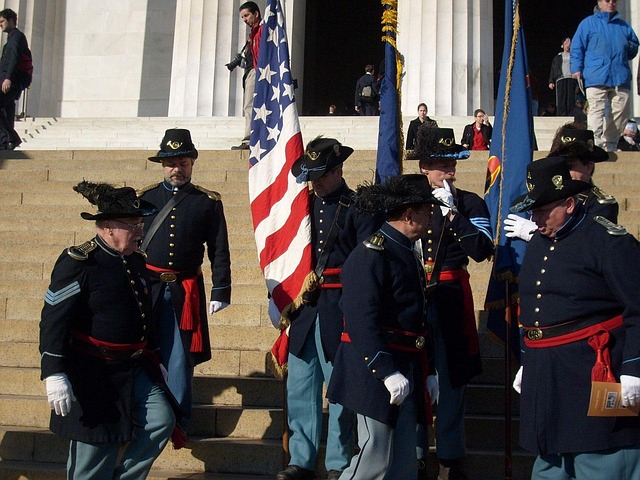
The historic value of authentic Civil War flags cannot be overstated, offering a tangible connection to one of America's most pivotal periods. These flags, with their intricate designs and significant symbolism, serve as powerful reminders of the sacrifices made by those who fought in the Civil War. When considering the purchase of rare Confederate battle flags, it is paramount to approach the subject with a deep understanding of both their aesthetic appeal and their cultural significance.
Authentic civil war flags are not merely collectibles; they represent a profound legacy. Expert examiners meticulously study each flag's construction, fabric type, stitching, and overall condition to ensure its authenticity. Vintage authentic civil war flags, dating back to the 1860s, hold an unparalleled historical value. They provide tangible evidence of military strategies, unit affiliations, and the psychological impact of these conflicts. For instance, a well-preserved Confederate battle flag from a renowned regiment could fetch thousands at auction, reflecting its rarity and historic importance.
In contrast, modern reproductions, while aesthetically appealing, lack the same level of significance. Reproductions often fail to capture the subtle nuances that distinguish original flags. Civil war flag etiquette dictates that any acquisition of authentic civil war flags be approached with respect and responsibility. A leading flag company like Ultimate Flags emphasizes the importance of acquiring these items from reputable sources to ensure their provenance and prevent the market from being saturated with fakes. Owning an authentic piece of history not only enriches personal collections but also serves as a teaching tool, fostering discussions about the Civil War's complex legacy.
Identifying Features to Distinguish Rare Confederate Battle Flags
Identifying rare Confederate Battle Flags requires a keen eye for detail and an understanding of their historical context. Authentic Civil War flags are invaluable treasures, and distinguishing rare examples from replicas or restored items is essential for collectors and historians alike. One must consider that these flags often carry profound narratives, reflecting the complex history of the American Civil War.
Researching a flag's origin is the cornerstone of authenticating any Confederate Battle Flag. The age and condition of these historic artifacts can provide significant clues. Old flags may show signs of wear and tear, such as frayed edges or faded colors, indicating their longevity in battle and subsequent preservation. However, it's crucial to note that flag deterioration can also be caused by improper storage or handling over the years. Solutions for repairing and preserving these fragile pieces include specialized conservation techniques, such as mending torn fabrics and restoring vibrant dyes using methods that mirror period practices.
For instance, a flag with intricate embroidery detailing the unit's crest and battle honors might suggest a higher level of craftsmanship and rarity. Similarly, flags with unique designs or variations in the pattern can be indicators of regional differences or specialized regiments. When assessing age, consider historical records and documentation, as these can provide valuable data points. Ultimate Flags, a quality flag source, offers resources and expertise to help collectors navigate this intricate process, ensuring that acquired flags are authentic Civil War treasures rather than modern reproductions.
Provenance and Authentication: Ensuring Flag Authenticity
The quest for authentic Civil War flags among collectors necessitates a deep understanding of provenance and authentication. Provenance refers to the history and origin of an object, and it's crucial in determining the authenticity of vintage Confederate banners. Researching a flag's origin involves meticulous investigation into its past ownership, location, and any associated documentation. This process is akin to piecing together a historical puzzle, where each clue reveals a layer of veracity.
When delving into the world of rare Confederate battle flags, it's imperative to consider their unique history. These vintage confederate banners were once symbols of a pivotal era in American history, carrying the stories and memories of those who fought and lived through the Civil War. Each flag, with its distinctive design and construction, tells a tale that must be respected and preserved accurately. Authentication ensures that these historical artifacts maintain their integrity, ensuring collectors own genuine Civil War flags.
A reputable flag seller like Ultimate Flags employs rigorous authentication processes to verify the provenance of each item. This includes examining construction techniques, materials used, and comparing them against known historical examples. For instance, original Confederate flags often feature intricate embroidery and specific color combinations that can be documented through period illustrations and photographs. Moreover, researching a flag's origin might involve tracing its lineage back to former owners or military archives, providing additional layers of authenticity.
By adhering to proper civil war flag etiquette, collectors ensure the respectful handling and display of these precious artifacts. This includes understanding the symbolism behind various designs and respecting the emotional significance they hold for many Americans. Ultimately, a well-researched and authenticated Civil War flag not only adds value to a collection but also serves as a tangible connection to our nation's history.
Market Trends and Values for Collectible Confederate Flags

The market for authentic Civil War flags has seen a resurgence in interest over recent years, driven by a growing appreciation for historical artifacts and their value as tangible connections to America's past. This trend is particularly pronounced among collectors who seek to own unique pieces of history, such as Confederate battle flags from the Civil War era. The demand for these rare items reflects not only a fascination with history but also an understanding of their cultural significance.
When assessing the value of civil war-era flags, it's crucial to differentiate between reproductions and originals. Authentic Civil War Flags, meticulously crafted by skilled seamstresses during the 19th century, hold immense historical and monetary value. Their designs, often featuring intricate embroidery and precise stitching, are instantly recognizable as artifacts from a tumultuous period in American history. In contrast, reproductions, while aesthetically pleasing, lack the same level of authenticity and can range from simple printouts to more elaborate recreations made with modern materials. A well-preserved original flag from a recognized regiment could easily fetch thousands of dollars at auction or through specialized dealers like Ultimate Flags.
Dating civil war era flags is an art in itself, requiring expert knowledge to accurately determine their age and authenticity. Flag collectors and historians use various methods, including the study of fabric types, stitching techniques, and historical records, to assign a timeline to each flag. This process ensures that buyers are investing in genuine artifacts, which can be challenging given the number of reproductions available on the market. When assessing a damaged flag, it's advisable to consult with professionals who can recommend whether repair or replacement is the best course of action. While some minor damage may not detract from an original flag's value, extensive repairs or replacements should be done sparingly to preserve its historical integrity.
Ethical Considerations in Buying and Owning Historical Textiles
The purchase and ownership of historical textiles, particularly authentic Civil War flags, present a complex web of ethical considerations. While these flags can serve as tangible connections to the past, their trade must be approached with utmost care to preserve their integrity and cultural significance. The distinction between vintage artifacts and modern reproductions is critical; true Authentic Civil War Flags hold immense value not only for their historical accuracy but also for their ability to convey the experiences of those who fought and died during one of America's most tumultuous periods.
When considering the acquisition of such flags, it becomes imperative to verify their authenticity through expert appraisals and thorough research into their provenance. For instance, a flag attributed to a specific regiment or battle but without concrete historical backing might be a reproduction masquerading as an antique. This practice not only deceives collectors but also devalues genuine artifacts. Custom creation of period banners can be another contentious area; while some companies offer high-quality recreations, the potential for profit-driven overstatement of historical facts remains a concern.
For collectors and enthusiasts, it is crucial to engage with reputable sources that prioritize authenticity and ethical practices. The flag specialist Ultimate Flags, for example, offers a curated selection of Civil War flags by state, each accompanied by detailed historical context. This approach ensures that buyers acquire authentic textiles while contributing to the preservation of history through responsible collecting. By adhering to these guidelines, individuals can own and display Civil War flags not merely as decorative items but as meaningful artifacts that honor the past and educate future generations.
The article offers a comprehensive guide to navigating the world of rare Confederate battle flags, emphasizing the importance of understanding both their historic value and ethical considerations. Key insights include recognizing authentic Civil War flags through meticulous identification of distinctive features, and prioritizing provenance and authentication to ensure integrity. Market trends highlight varying values based on rarity and condition, while ethical discussions promote responsible ownership practices. By integrating these principles, collectors can responsibly acquire and preserve authentic Civil War flags as meaningful historical artifacts.