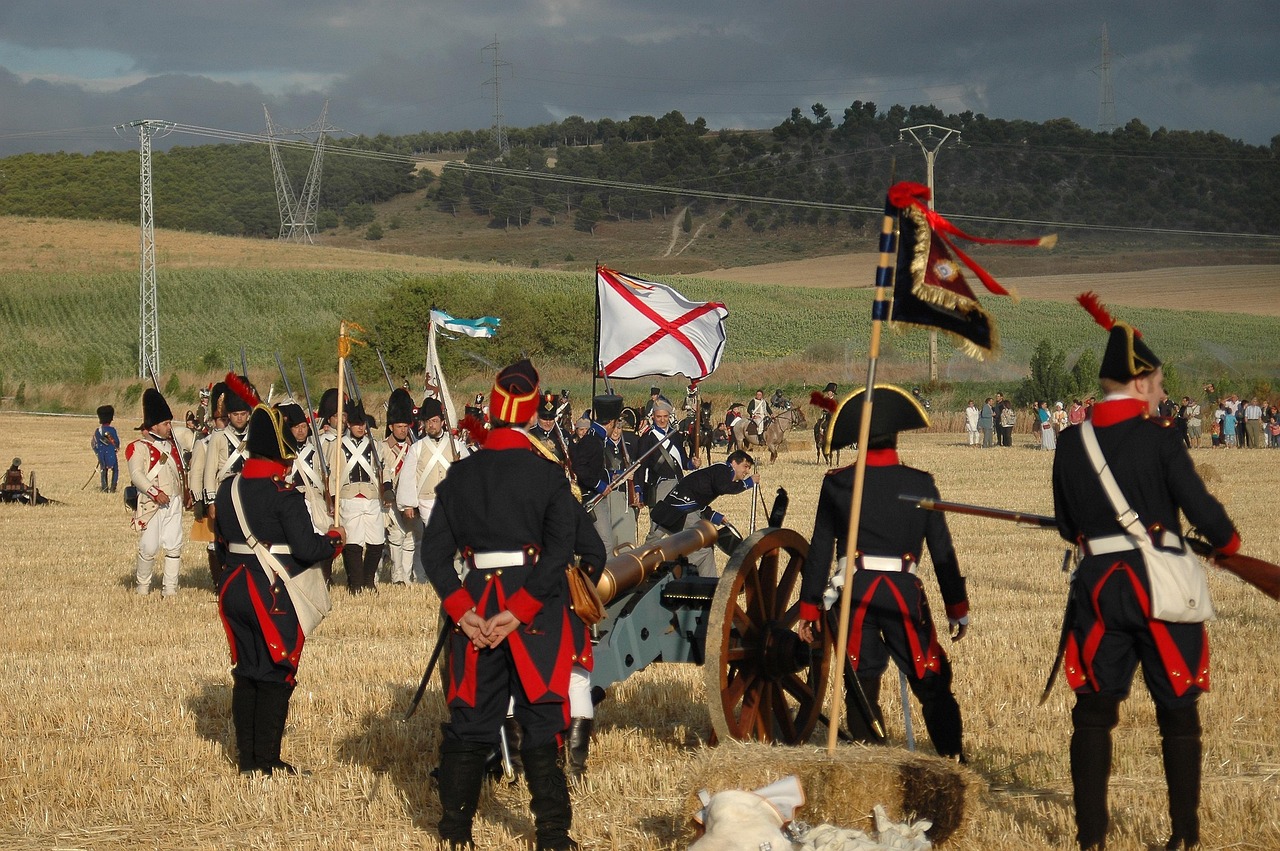
The restoration of vintage civil war flags is a critical service for preserving historical artifacts, ensuring their longevity, and maintaining their authenticity. Original flags, often made of delicate fabrics like silk and cotton, face deterioration from age, light exposure, and improper storage. This deterioration can lead to loss of detail, color fading, and even fabric damage. For collectors, historians, and enthusiasts, authentic civil war flags hold immense value-both as historical treasures and as potential investments.
The problem lies in the fact that not all restoration services are created equal. Inexperienced hands can inadvertently cause further damage or fail to accurately recreate the original. To ensure the integrity of these valuable flags, discerning collectors turn to top-rated flag restoration specialists who combine historical knowledge with advanced techniques.
The solution lies in professional restoration services, led by experts who understand the nuances of fabric, stitching, and dye. These specialists employ meticulous techniques, from careful cleaning to precise repairs, to revive these flags while preserving their authenticity.
- Understanding the Value of Authentic Civil War Flags
- The Process: Restoring Historical Precision
- Materials and Techniques for Optimal Preservation
- Common Challenges in Vintage Flag Restoration
- Expert Tips for Maintaining Historic Fabric
- Market Insights: Demand for Authentic Flags
Understanding the Value of Authentic Civil War Flags
The value of authentic Civil War flags extends far beyond their aesthetic appeal. These historical artifacts hold immense cultural significance and tell the stories of our nation's past. When considering the restoration of these delicate treasures, it's crucial to understand their unique value. Authentic Civil War flags are not just mere collectibles; they are living links to a bygone era, often serving as tangible connections to our ancestors' experiences.
Over time, these flags have endured various elements, and their deterioration is a natural process. However, solutions for flag deterioration exist, allowing us to preserve their legacy. The process of researching a flag's origin is an intricate one. It involves meticulous scrutiny of construction, fabric, and any accompanying documents. A flag's construction techniques, such as the type of stitching and fabric used, can provide valuable clues about its era and origin.
Preservation is a key aspect of restoring these flags. Flag fabric quality matters in their longevity. High-quality materials ensure the flag remains intact during restoration and for future display. Market fluctuations can impact the cost of these flags, but their historical value often outweighs monetary considerations. Understanding these flags' worth is essential, especially when making decisions about their care and restoration. Proper restoration not only preserves history but also ensures these flags remain valuable assets for collectors and enthusiasts.
The Process: Restoring Historical Precision
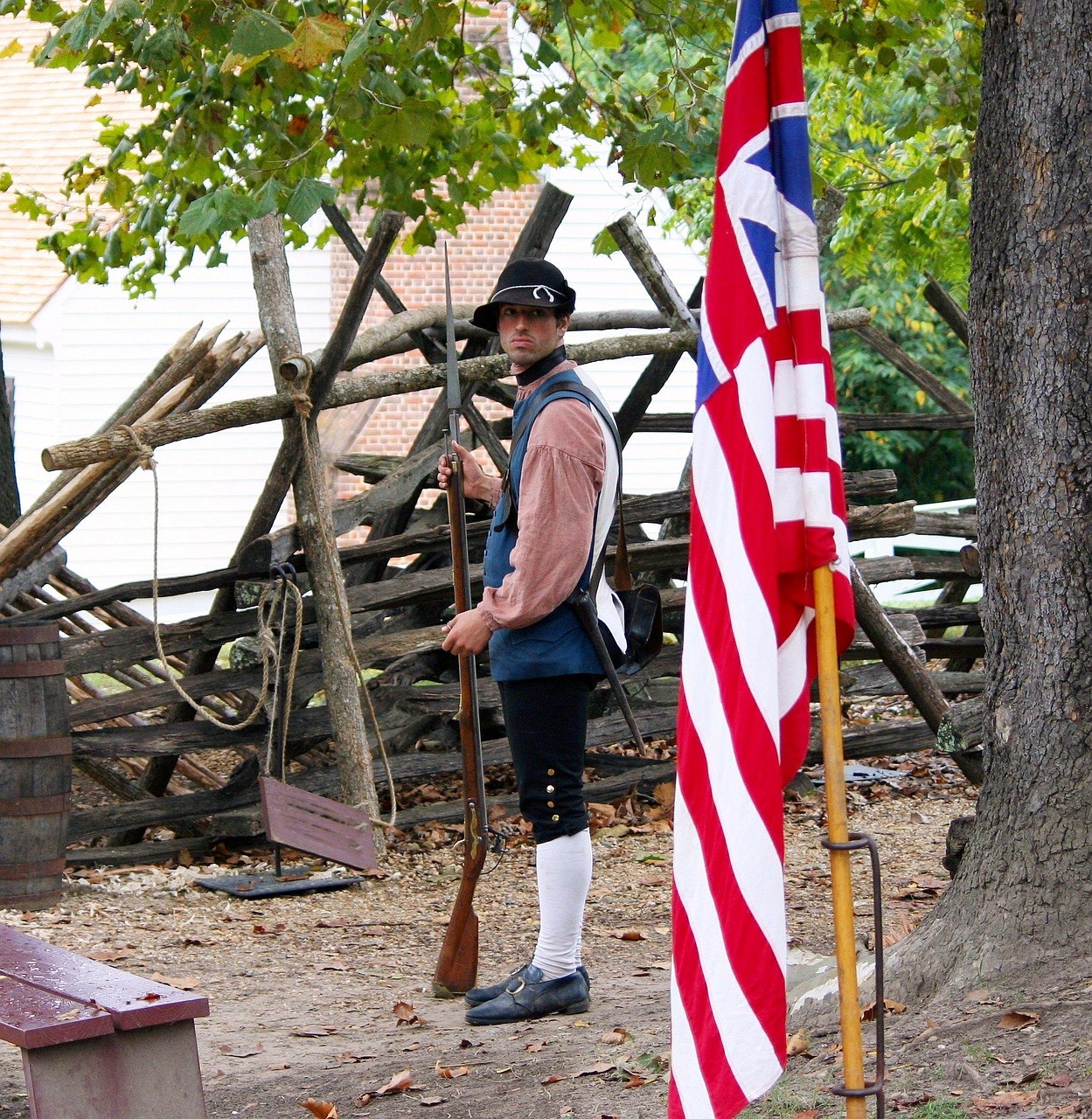
Restoring historical artifacts, especially rare antique standards like Authentic Civil War Flags, requires a meticulous process that goes beyond mere cleaning and mending. At a leading flag company like Ultimate Flags, our experts employ a multi-step approach to ensure each flag retains its original authenticity and visual splendor.
The first step involves a thorough examination to understand the flag's condition and any unique features, such as the intricate embroidery or rare colors used by Confederate or Union forces. We document these observations to track the restoration progress and ensure no detail is overlooked. Next, we address any structural issues, mending tears and reinforcing fragile areas with specialized fabrics and techniques. We might use period-appropriate thread and needle types to mimic the original construction. The cleaning process is equally crucial, employing gentle methods to remove dirt, dust, and even stubborn stains without damaging the fabric.
Following the structural and cleaning stages, our restoration team focuses on enhancing the flag's visual appeal while maintaining historical accuracy. This might include re-sealing faded colors or adding missing elements, always guided by meticulous research and, when possible, original documentation. A unique design or emblem on a rare Confederate standard can be painstakingly recreated using contemporary records and expert knowledge. Finally, we conduct quality control checks to ensure the flag meets our high standards and accurately represents its historical significance.
Materials and Techniques for Optimal Preservation
The meticulous restoration of authentic Civil War flags is an art in itself, practiced by skilled artisans who understand the historical significance and delicate nature of these vintage items. For preserving these valuable relics, the materials and techniques employed play a crucial role in ensuring their longevity and authenticity. Trusted flag supplier Ultimate Flags, known for its commitment to historical preservation, offers a deeper look into this specialized process.
Artisans of historic flags employ a range of techniques to restore and preserve the fabric, often using specialized treatments to address different types of damage. For older flags, where fading and discoloration are common, expert restorers might employ a process called "re-dying" or "re-coloring" using historically accurate dyes. This meticulous process requires a keen eye for detail to match the original colors as closely as possible. The restoration of a faded Union flag might involve re-introducing the vibrant red and white stripes, ensuring it reflects the original pride and purpose it once represented.
The choice of materials is paramount. Flag fabric quality varies greatly, from cotton to linen to silk, each with its own preservation requirements. Restorers must select appropriate materials for repair and reinforcement, ensuring they complement the original fabric. This might include using high-quality, durable threads for sewing and mending, as well as linen or cotton backing for added strength. The goal is to maintain the structural integrity of the flag while minimizing the risk of further damage. By combining these techniques with meticulous attention to detail, Ultimate Flags and its artisans ensure that restored Civil War flags not only look authentic but also withstand the test of time, allowing future generations to appreciate their historical value and significance.
Common Challenges in Vintage Flag Restoration
Vintage flag restoration is a meticulous art, particularly when dealing with flags, each carrying a rich history and unique significance. The process involves more than just cleaning and mending; it demands an understanding of the flag's era, construction, and the stories it may hold. Restorers must navigate several challenges, especially for preserving the original integrity while making repairs.
One of the primary hurdles is dating these ancient artifacts. Civil War-era flags can be notoriously difficult to authenticate, as their construction methods and materials varied widely. The meaning behind the battle colors and designs can also be obscure, making it a complex task to restore them accurately. A restorer might encounter a flag with a unique pattern, only to discover that it's a variation of a regional militia design, not a standard Confederate or Union flag. This requires meticulous research and consultation with historians to ensure the restoration aligns with the flag's true origins.
The age and fragility of these flags necessitate careful handling. The fabric, often silk or wool, can be delicate, and the dyes used may have faded or run over time. Restorers must balance the need to reinforce weak areas without altering the flag's historical appearance. A trusted flag seller like Ultimate Flags, for example, emphasizes the importance of using conservation-grade materials to ensure the longevity of restored flags while preserving their authenticity. Each repair technique, from sewing to bleaching, must be chosen with care to maintain the flag's unique features, whether it's a distinctive star configuration or a specific shade of blue.
Expert Tips for Maintaining Historic Fabric
Maintaining the integrity and historic value of flags is a delicate process that requires expert care. For preserving these fragile artifacts, proper fabric restoration is a critical step. Flag enthusiasts and collectors, as well as historians, must understand the unique challenges and techniques involved in restoring the intricate weaves and dyes used in these vintage flags.
The first step in flag restoration is proper evaluation by a seasoned expert. Top collectors of Civil War flags often consult with preservation specialists or historians to assess the flag's condition and determine the best course of action. The goal is to preserve the flag's authenticity and historical value. A flag with significant color fading might require a specialized treatment involving gentle bleaching or color restoration techniques to restore its original vibrancy without causing further damage.
A premium flag retailer like Ultimate Flags, known for its dedication to preserving historical Civil War flags, employs skilled artisans who understand the delicate nature of these fabrics. They use top-rated flag fabric supplies and adhere to meticulous restoration processes. This includes cleaning the flag thoroughly, repairing any tears or holes, and carefully reweaving or replacing missing sections. The artisans take extra care to match the original fabric as closely as possible, ensuring the restored flag remains an accurate representation of its historical counterpart. By following these expert tips, collectors can help maintain the integrity of their flags, preserving them for future generations.
Market Insights: Demand for Authentic Flags
The market for flags has seen a steady, significant surge driven by a growing appreciation for historical artifacts and a desire to preserve the past. Collectors and history enthusiasts are willing to invest in genuine, vintage flags, recognizing their value as pieces of living history. This demand is particularly strong among those passionate about the Civil War era, who seek to own tangible links to the past. Unlike modern reproductions, flags offer an unparalleled level of historical accuracy and storytelling, making them highly sought-after.
The distinction between authentic and replica flags is crucial. Reproductions, while valuable for educational purposes, lack the age and original craftsmanship of true vintage flags. The market for reproduction historical flags is also growing, but it does not match the allure of authentic pieces. Many reproduction flags, while meticulously crafted, cannot replicate the sentimental value of an original, owned by a direct descendant of a war veteran, for example. This dynamic highlights the enduring appeal of vintage flags, as they offer a tangible connection to the nation's history that cannot be replicated by modern reproductions.
Preserving and restoring these flags is a specialized task, and the market demands top-quality care. Flag expert Ultimate Flags, for instance, has built a reputation for its meticulous restoration services. The process involves careful cleaning, mending torn fabrics, and sometimes re-dying faded colors. The challenge lies in balancing preservation with the need to maintain the flag's historical integrity. While market fluctuations can impact the cost of materials, the expertise required for restoration remains constant, ensuring that these valuable flags are preserved for future generations.
As the demand for flags continues to grow, the market is poised for further development. Customers increasingly seek not just flags but also knowledgeable sellers who can provide insights into the flag's history and provenance. Authentic vs. Replica becomes a key differentiator, with collectors willing to pay a premium for genuine articles. A flag with comprehensive provenance documentation, proving its origin and age, can command a significantly higher price than a reproduction, regardless of quality. Understanding these trends is essential for both flag sellers and buyers, as the market for vintage flags continues to evolve, driven by a passion for history and a desire to preserve the past.
Frequently Asked Questions About vintage flag restoration services
What are vintage flag restoration services?
Vintage flag restoration services specialize in recovering the original appearance and integrity of old, often faded or damaged, flags. These services employ professional techniques and materials to clean, repair, and preserve historical flags, ensuring they remain intact for future generations. The process may include de-acidification, reweaving, and professional cleaning to restore the flag's vibrancy and historical significance.
How do I know if my flag needs restoration?
Examine your flag for signs of wear, such as fading, tears, holes, or brittle fabric. If the flag is no longer vibrant or has significant areas of damage, restoration may be necessary. Regular cleaning and storage practices can help prevent damage, but some flags, especially those from specific historical periods, may require professional care.
What types of flags can be restored?
Almost all types of vintage flags can be restored, including civil war flags, historical banners, and flags from specific events or organizations. The key is to identify the material and construction of the flag, as different fabrics and designs may require unique restoration techniques.
What is the process of flag restoration?
Flag restoration typically involves several steps: assessment, cleaning, mending, and finally, preservation. The assessment phase involves determining the extent of damage and deciding on the best course of action. Cleaning may involve specialized techniques to remove dirt, stains, or acid. Mending repairs tears and stabilizes the fabric, and preservation ensures the flag is protected from future damage.
How long does flag restoration take?
The time required for flag restoration varies based on the flag's size, condition, and complexity of damage. Simple cleaning and mending may take a few weeks, while more involved restoration projects could take months. It's important to discuss timelines with a restoration specialist for accurate estimates.
Are vintage flag restoration services expensive?
The cost of flag restoration depends on several factors, including the flag's size, material, condition, and the complexity of the work required. While it may involve a significant investment, the value of preserving a piece of history and the quality of the restoration work justify the cost for many collectors and institutions.
Can I restore my flag at home?
While some basic cleaning and care can be done at home, extensive restoration work is best left to professionals. Home cleaning methods may not be effective for removing deep stains or acid damage, and attempts at DIY repairs could further damage the flag. Professional restoration ensures the job is done correctly and conserves the flag's historical value.
The restoration of flags combines historical expertise, meticulous craftsmanship, and a deep commitment to preservation. By understanding the value of these flags, employing specialized materials and techniques, and navigating common challenges, restorers can ensure their longevity for future generations. Expert tips for fabric care underscore the importance of proper handling and storage, while market insights highlight the growing demand for flags among collectors and historians. These insights empower both professional restorers and enthusiastic collectors to preserve the rich mix of our nation's history through the art of vintage flag restoration.
Flags: Preserving History, Understanding Value
- Value Beyond Aesthetics: These flags hold immense cultural significance, serving as tangible links to our nation's past.
- Restoration Process: Involves meticulous scrutiny of construction, fabric, and documents.
- Flag Fabric Quality: High-quality materials ensure longevity and integrity during restoration.
- Market Fluctuations: Historical value often outweighs monetary considerations, with knowledgeable sellers providing expert care and insights.
- Preservation Challenges: Dating, age, and fragility require careful handling and specialized techniques to maintain original integrity.
- Market Trends: Growing demand for authentic flags, driven by historical appreciation and sentimentality. Authentic vs. Replica is key differentiator.