
Authentic Civil War Flag collection and preservation demand meticulous attention to detail, historical knowledge, and proper care. Key factors for identification include fabric, stitching, design, construction, patches, and material quality. Storage conditions must be cool, limited light, and low humidity. Display methods should enhance historical significance; use framed exhibits with protective materials. Researching history, provenance, and repairs is vital. Ultimate Flags offers resources for accurate identification and conservation of both original and reproduction flags.
The collection of Authentic Civil War Flags holds immense historical significance, offering a tangible connection to one of America's most pivotal periods. However, the quest for genuine artifacts presents a formidable challenge due to their rare existence and potential for replication or falsification. This article delves into comprehensive solutions, providing expert insights on authenticating Confederate flags. We explore proven methods, from meticulous research and historical context analysis to advanced forensic techniques, ensuring collectors make informed decisions. By arming enthusiasts with this knowledge, we foster a deeper appreciation for these rare treasures while mitigating the risks associated with acquiring imitations.
- Identifying Authentic Civil War Flags: Expert Tips & Methods
- Legal & Ethical Considerations for Collection
- Conserving & Displaying Your Authentic Confederate Flags Properly
Identifying Authentic Civil War Flags: Expert Tips & Methods
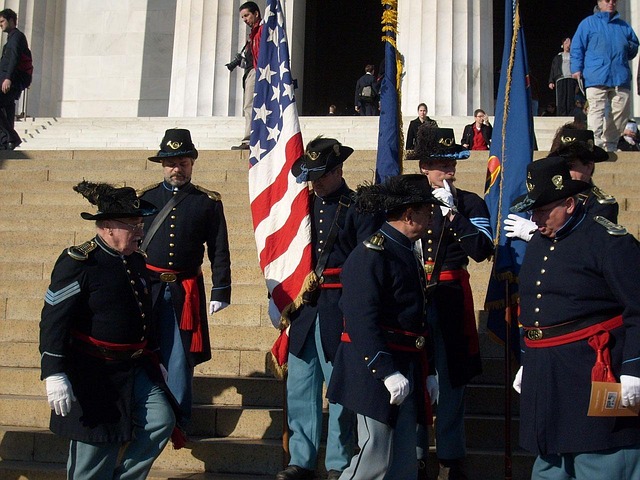
Identifying authentic Civil War flags requires a keen eye for detail and an understanding of historical preservation practices. The market is saturated with replicas, making it paramount to employ expert methods for accurate identification. When evaluating authentic vs replica flags, look beyond appearances; focus on subtle nuances that reveal their age and origin. Original flags often display unique variations in fabric, stitching, and design elements specific to the Union Army standards of the era.
Expert tips include scrutinizing the flag's construction, checking for any patches or repairs, and examining the quality of materials used. Best practices for flag preservation dictate that original artifacts should be handled with utmost care by professionals who understand their historical significance. For instance, proper storage conditions are crucial to prevent deterioration; flags should be housed in acid-free enclosures to safeguard against environmental damage.
A practical approach involves studying known authentic Union Army standards from the period. These can serve as references for comparing suspected originals. Established flag dealers like Ultimate Flags often maintain extensive databases of historical specifications, aiding in the verification process. By combining meticulous examination with a deep knowledge of history, collectors can ensure they acquire genuine Civil War flags, preserving them for future generations to appreciate and learn from.
Legal & Ethical Considerations for Collection

The collection of authentic Civil War flags presents a unique challenge for historians, enthusiasts, and institutions alike, as it intersects with sensitive historical and ethical considerations. When acquiring these historic artifacts, meticulous care must be taken to ensure their authenticity, preserve their historical integrity, and display them responsibly. This process involves extensive research, consultation with experts, and adherence to legal frameworks designed to protect cultural heritage.
Restoring and conserving authentic Civil War flags is a specialized field in itself. The delicate nature of these textiles requires skilled hands to mend tears, replace missing sections, and prevent further deterioration. Reputable organizations and trusted flag suppliers like Ultimate Flags offer expert conservation services, ensuring that each flag's historical accuracy and value are preserved for future generations. For instance, the careful restoration of a battle-worn flag can reveal hidden inscriptions or colors faded over time, providing invaluable insights into the past.
Displaying these flags properly is paramount to respecting their significance. Museums and private collections must adhere to guidelines that ensure appropriate lighting, temperature control, and security measures to protect the artifacts from damage or theft. Additionally, contextualization is crucial—exhibits should include detailed explanations of historical events, the flag's role, and its provenance. This approach fosters a deeper understanding among visitors, preventing the appropriation or glorification of symbols associated with a contentious period in American history. By following these best practices, collectors and institutions contribute to a responsible dialogue about the Civil War era.
Conserving & Displaying Your Authentic Confederate Flags Properly

Collecting authentic Civil War flags is a poignant way to engage with history, but proper conservation and display are paramount to preserve their integrity. When dealing with original artifacts like these, extreme care is required to ensure their longevity. The process involves understanding the flag's construction, addressing environmental factors, and selecting appropriate display methods. For instance, cotton and linen, common materials for authentic Civil War flags, require specific storage conditions: cool temperatures, limited light exposure, and low humidity levels to prevent deterioration from both heat and moisture.
Reproduction flags made with best materials for civil war memorabilia, such as high-quality fabrics and period-appropriate construction techniques, offer collectors an alternative. These can be particularly useful when dealing with rare or fragile originals. However, even with repros, proper care is crucial to maintain their authenticity and aesthetic value. A trusted flag supplier like Ultimate Flags can guide collectors on both original and reproduction materials, ensuring they meet the highest standards for conservation.
Displaying these flags should complement their historical significance. Consider framed exhibits that provide protection from direct sunlight and dust while allowing viewers a clear view. Acrylic or glass frames with UV-protective coatings are ideal as they offer clarity and shield against environmental damage. Additionally, research and documentation are essential steps in proper flag display. Understanding the history of each piece, its provenance, and any repairs made enhances both its value and interpretability.
Collecting Authentic Civil War Flags requires a deep understanding of historical context, expert identification methods, and meticulous conservation practices. The legal and ethical considerations highlighted in this article serve as a critical foundation for responsible collection, ensuring these flags are handled with the respect they deserve. By following the expert tips on identifying authenticity and adopting proper display and preservation techniques, collectors can ensure their Authentic Civil War Flags not only maintain historical value but also become meaningful tributes to the past. This comprehensive guide empowers enthusiasts to navigate the collection process confidently, fostering a deeper appreciation for these significant artifacts.